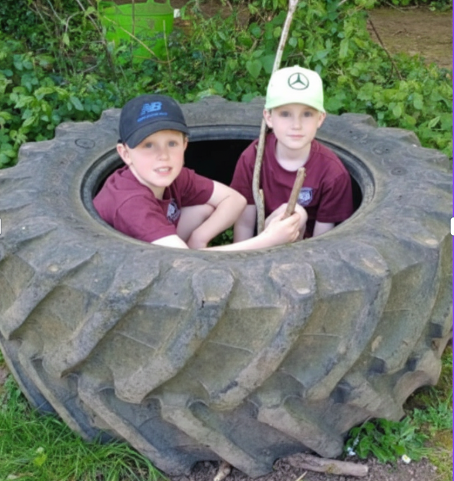
In January 2025, our school began a programme to improve opportunities for physical activity, socialisation, cooperation, coordination, resilience, creativity, imagination and enjoyment through improved play.
In what ways, if any, do you think you benefited from playtime? Thinking about your own childhood, what did you like playing at school or at home? Children today don’t have the same freedoms children once did, so we want to give them time to really enjoy and learn from play. After all, it’s a child’s basic human right.
We explored the Outdoor Play and Learning (OPAL) Primary Programme, which is the result of over 20 years of testing and development in over 800 schools and has been used in Spain, Canada, France and New Zealand and adapted and used in schools in Slovakia, Czech Republic, Hungary, Poland and Austria under the Play Friendly Schools project. OPAL is based on the idea that, as well as learning through good teaching, children also learn when they play. As 20% of their time in school is playtime, we want to make sure that this amount of time (equivalent to 1.4 years of primary school) is as good as possible.
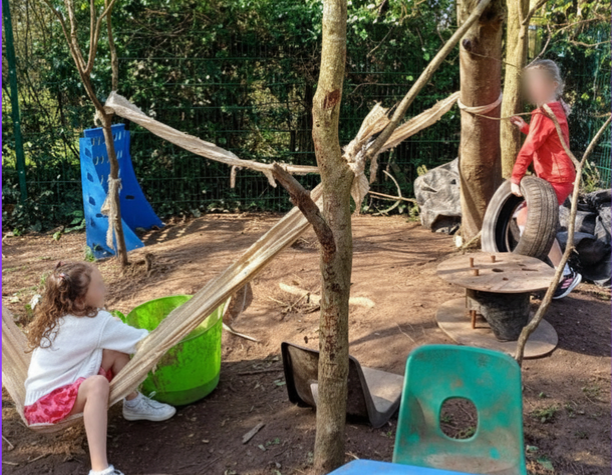
We have been supported by OPAL for the last 18 school months and are soon to receive our accreditation. OPAL have supported us with development, planning, staff organisation and risk assessments to ensure we have a balance of play opportunities and supervision at all times. The children use donated items and discarded resources to play and build creatively.
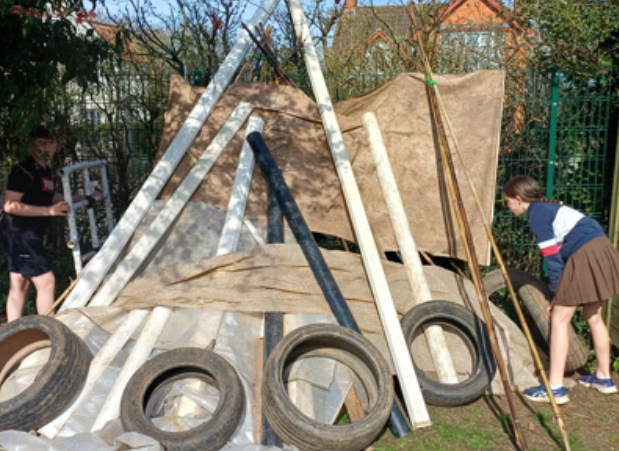
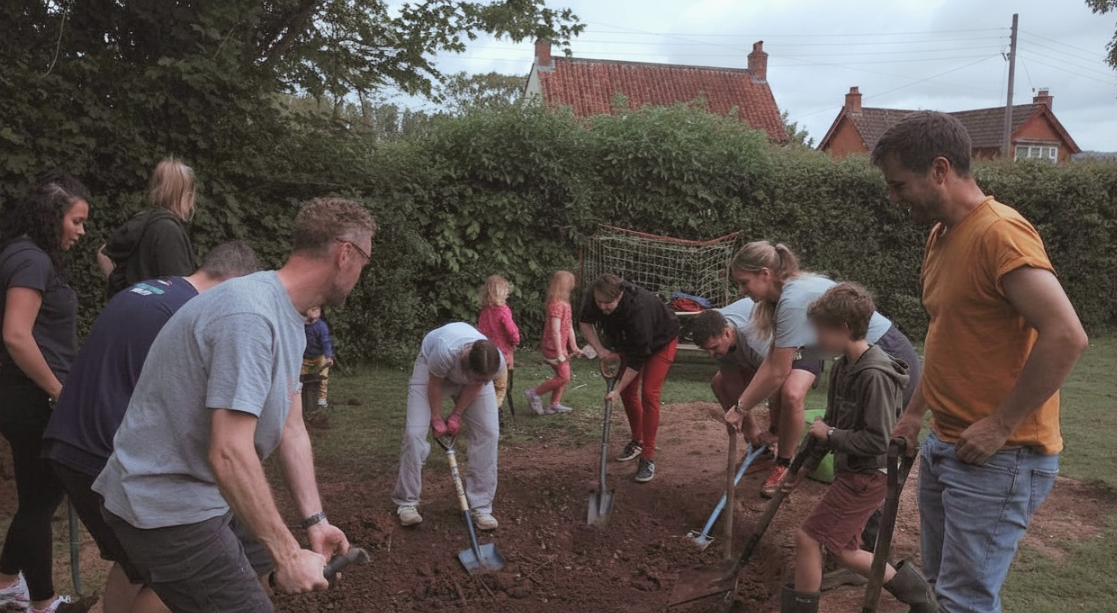
We have had teams of volunteer families to support with the creation of a mud kitchen, sand pit, stage, water station and music zone and community donations of wood, drainpipes tyres and bamboo sticks to name a small selection.
One reason the school is carrying out this programme is that childhood has changed for many if not most children, and often children do not have their play needs met out of school.
- Average screen time per day is six hours.
- Average outdoor play time per week is five hours.
- The percentage of UK children who only play outdoors with other children at school is 56%.
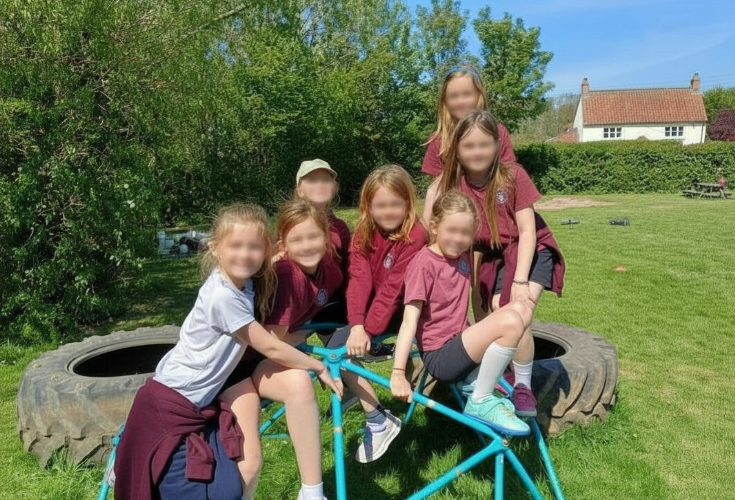
There are many proven benefits for schools that carry out the OPAL Primary Programme. We have seen these ourselves, with more enjoyment of school, less teaching time lost to disputes between children, fewer accidents and greatly improved behaviour. Our children enjoy their play times and while they play, we see them demonstrate our values:
Engagement: Children build relationships, ask questions, generate ideas, try alternatives, plan and research, be curious and love learning.
Independence - children evaluate strengths, have pride in their learning, are organised (in time and resources), are creative, show initiative, take responsibility
Respect - children understand consequences, are mindful of others’ feelings, find resolutions to reach agreed outcomes, collaborate, listen to others, respect difference, identify improvements that would benefit others as well as themselves, respect views that may differ from their own
Resilience - children persevere, problem-solve, invite feedback, deal positively with praise and setbacks, manage emotions, show confidence.